Remember when your work computer lived safely at the office? Those days are gone. The hybrid work model is now a standard part of business, with employees connecting from kitchens, coffee shops, and home offices.
This flexibility is great for work-life balance, but it opens up a huge challenge for keeping company data safe. Every laptop, phone, or tablet used for work is a possible door for digital threats. Protecting these devices is the important mission of endpoint security Dubai.
What changed with hybrid work?
The office perimeter has dissolved. Instead of one secure network, your company now has dozens of smaller, less controlled networks. Employees use home Wi-Fi, public internet, and personal devices to access sensitive information. This shift means the old strategy of building a digital fortress around the office no longer works. The new frontline of defense is each individual device, or endpoint, that connects to company data.
Why endpoint security is your digital bodyguard:
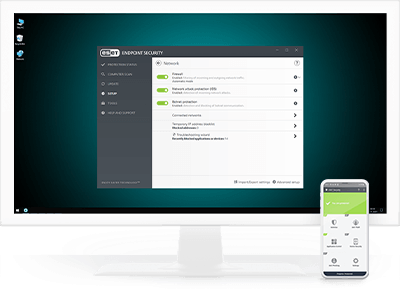
Think of endpoint security software as a dedicated bodyguard for every work device. It doesn’t matter where the device goes; the protection goes with it. This software constantly watches for suspicious activity, blocks malicious software from installing, and prevents employees from accidentally visiting dangerous websites. It ensures that only authorized people can access the network, often checking the user’s identity before granting entry.
Key parts of a strong defense:
A good endpoint security strategy for hybrid work includes several layers. First, there is next generation antivirus that uses smart technology to find and stop new and, unknown threats. Second, device control manages what can be plugged into a laptop, like USB drives, to stop data theft. Third, regular updates happen automatically to patch software weaknesses before attackers can use them.
Building a culture of safe habits:
Technology alone is not enough. Human error is a big risk. Training staff to recognize phishing emails, use strong passwords, and report lost devices is essential. Simple habits, like locking screens when stepping away, make a big difference. Endpoint security tools support this by making safe actions easy, like using simple single sign on for apps.
In a hybrid world, securing the network means securing every device that touches it. Robust endpoint security is no longer optional; it is the foundation of a safe and productive hybrid workplace. It allows businesses to offer flexibility without sacrificing safety, ensuring that work can happen anywhere, securely.